
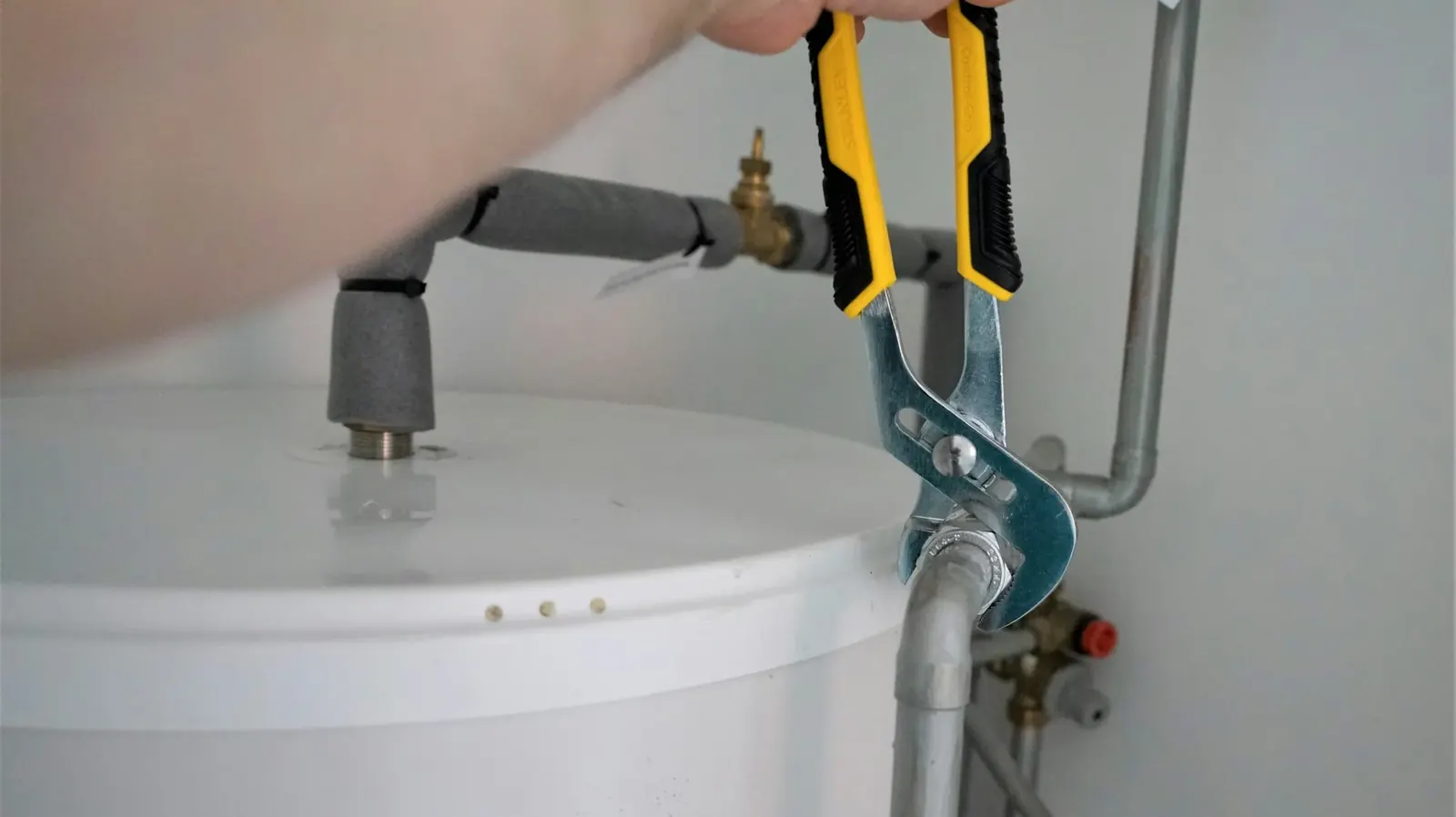
Scale Prevention & Water Heater Protection
Scale Prevention & Water Heater Protection in Sandy Springs
Care for tank and tankless water heaters across Sandy Springs and north Fulton.
What actually threatens heaters here
Scale prevention and water heater protection in Sandy Springs looks different than in hard-water cities. On soft city water, scale builds slowly. Sediment is the bigger issue: grit from main breaks and older pipes settles in tank bottoms and clogs tankless inlet screens.
On wells with real hardness, scale is a genuine threat, and scale control or softening makes sense.
For tankless owners, manufacturers often require annual flushing to keep warranties valid. Many units were installed without isolation valves, which makes that hard. We can add them in under an hour.
We look at your heater, your water and your history, then recommend the right level of care.
Tank owners benefit too: a yearly flush keeps sediment from building up, which helps the burner or element run efficiently and quietly.
What care can include
Matched to your water and heater.
Hardness and sediment check
Tells us what is really threatening the heater.
Tankless isolation valves
Make annual flushing easy.
Tankless descale
Food-grade descaler through the heat exchanger.
Tank flush
Sediment drained from the bottom.
Inlet screen cleaning
Cleared of grit.
Sediment pre-filter
Stops grit before it reaches the heater.
Anode rod check
Replaced when spent.
Annual reminder
So it is never skipped.
How it runs
-
Inspect
Heater type, age, valves and water.
-
Service
About an hour for a flush or descale.
-
Plan
Written schedule for next year.
Good to know
- My water is soft. Do I need this?
- Mostly for sediment and tankless maintenance, not scale.
- Why is my tank rumbling?
- Usually sediment or scale at the bottom. A flush often fixes it.
- How often should a tankless unit be flushed?
- Most manufacturers say once a year.
- How long does a flush take?
- About an hour for most tankless units and a little longer for a large tank.
- Will this extend my heater's life?
- Regular flushing and sediment protection help heaters run efficiently and avoid the most common early failures.
Tankless heaters in north metro homes
Tankless water heaters are popular in newer Sandy Springs and Johns Creek homes. They are efficient, but they are also sensitive. Even on soft water, sediment can collect on inlet screens, and on harder well water, scale coats the heat exchanger.
Annual flushing keeps them running well and is often a warranty requirement. If your unit has no isolation valves, flushing is awkward, so it often gets skipped. We add the valves, flush the unit, clean the screen and put the next service on the calendar. It is a short visit that prevents the most common tankless complaints: fluctuating temperatures and error codes.
Why us for heater care
-
Right diagnosis
Sediment and scale are different problems.
-
Tankless experience
Valves and procedures done right.
-
Warranty-friendly records
Dated service notes.
- Tested before we recommend
- NSF/ANSI-certified equipment
- One written price
- Two-hour arrival windows
Lukewarm showers or a noisy tank?
We will check the heater and your water in one visit.